
Reviewed · 1-HOUR EXPERIENCES
Reykjavik: 1-Hour Prison Break Escape Game
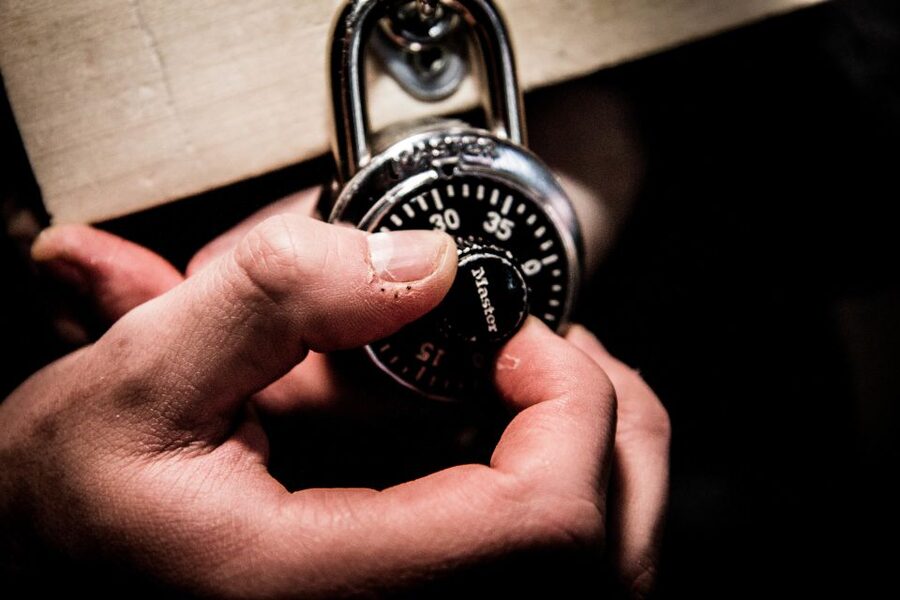
Reykjavik Escape’s Prison Break game is interesting because you are not just solving puzzles on a screen. You get locked in a prison cell, work against a timed “guard rounds” deadline, and try to break out.
I like the real prison cell setting. It makes the whole mission feel physical, like you are actually in trouble, not just playing a game. I also like the one-hour pressure window, because it turns problem solving into action, and you cannot wander around half awake.
One thing to consider: escape is not guaranteed. If you miss a key code or the team gets stuck, you might not get out in time, even though the experience can still feel fun and intense.
Key things to know before you play
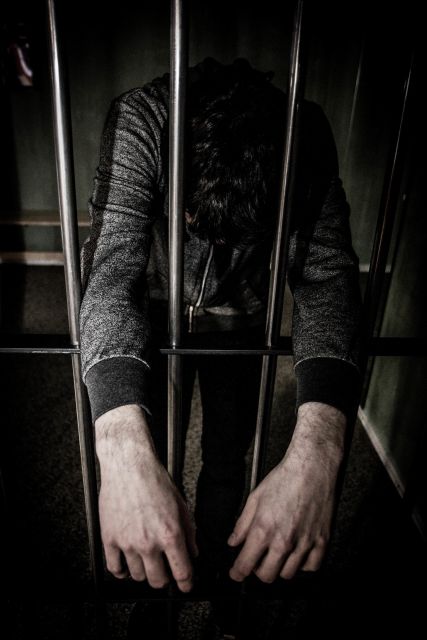
- A real prison cell theme with a timed guard-round countdown
- Multiple puzzle types, including hidden clues, code breaking, and riddles
- 75 minutes total, built around a one-hour “opportunity” inside the story
- Rooms hold 2 to 6 people, with two rooms available at once (up to 12)
- English host or greeter, so it is easiest if your group is comfortable with English
- If a clue feels off, you will want your team moving fast and asking for guidance when needed
Prison Break in Reykjavik, what this one-hour challenge really is
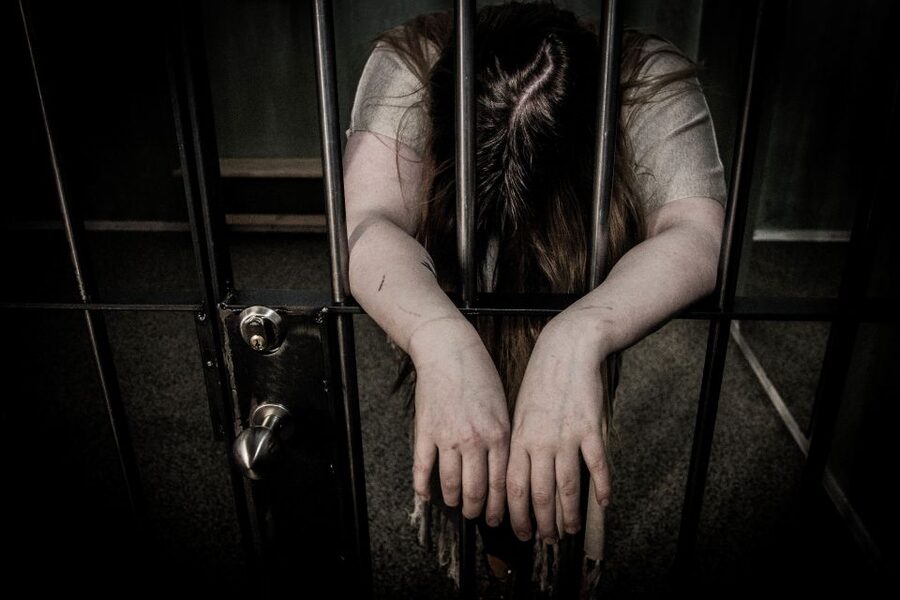
This is a classic escape-room format, but the story engine is strong. You are framed for murder, sentenced to death, and the only way to avoid the worst outcome is to escape before guards do their rounds.
What makes it feel different in Reykjavik is the combination of a maximum-security vibe and a hard deadline. You are not casually figuring things out at your own pace. You are racing the clock, scanning for hidden clues, and trying codes and riddles in a loop until something clicks.
You should also know the emotional tone. This kind of game is meant to raise your heart rate. If your group likes teamwork under pressure, you will probably have a blast. If your group hates timed challenges, you may find it stressful instead of fun.
More around Reykjavik worth an open tab:
- Reykjavik: Golden Circle Full-Day Tour with Kerid Crater
★ 4.8 · 24,485 reviews - Reykjavik Food Walk – Local Foodie Adventure in Iceland
★ 5.0 · 18,952 reviews - Iceland: Northern Lights Bus Tour from Reykjavik
★ 4.1 · 11,161 reviews
Where to meet Reykjavik Escape at Borgartún 6
You meet at Reykjavik Escape, Borgartún 6, 105 Reykjavík. The experience ends back at the same meeting point, so you do not need to plan transport or a second stop.
Because this is an indoor activity, it is a smart fit for days when Iceland’s weather is doing its own thing. You can also slot it into an evening without worrying about long outdoor walking routes.
One practical tip: arrive a few minutes early. In timed escape games, every minute of delay feels like it is taken from your puzzle time.
Inside the cell, your framed-for-murder countdown starts

Once you check in, the game takes you into the setting: a prison cell you can search and interact with. The story is simple on purpose. You have been locked up, and you only have one hour before the guards make their rounds and do a check-up on inmates.
That guard-round concept is the pacing mechanic. It gives your team a clear sense of urgency, so you keep trying, even when you are stuck. It also explains why the puzzles matter. Hidden clues and codes are not random, they are your route out before that final check-up.
This is where the “real cell” aspect matters. Even if you know it is staged, the room design can make you feel like you are confined. That changes how you look at details, and it keeps you alert.
Puzzle flow: clues, codes, and riddles under pressure
The challenge is built around several puzzle types:
- Hidden clues you need to find within the cell
- Codes you need to break using what you discover
- Riddles that push you from one idea to the next
The best way to think about this is like a relay. One person spots something small, another tests a code, and another tries to interpret a riddle line by line. When teams work like that, the game feels smooth. When one person tries to do everything alone, you burn time fast.
I also like that the game leans into logic instead of pure trivia. Codes and riddles generally reward pattern thinking. If someone in your group is good at mathy puzzles, or someone else is good at noticing visual details, you will have a good mix.
One consideration based on what people have experienced: sometimes a clue can feel like it does not lead anywhere right away. When that happens, do not force the wrong path for too long. Re-check the basics, and try a different piece of the puzzle chain.
Same corner of Iceland, a different kind of day out:
- Reykjavík: South Coast Waterfalls, Black Sand & Glacier Tour
★ 4.8 · 11,030 reviews - Reykjavík: Whale Watching and Marine Life Cruise
★ 4.6 · 9,838 reviews - Reykjavik: Sky Lagoon Entrance Pass With 7-Step Spa Ritual
★ 4.8 · 6,166 reviews - From Reykjavik: Golden Circle, Kerid, & Secret Lagoon Tour
★ 4.8 · 6,009 reviews
Team size and picking your crew (2 to 6 per room)
The room is designed for 2 to 6 people, and there are two rooms available. That matters because you can plan around your group size.
If you have a small group, you will still get full engagement. You just need to divide roles quickly. If you have a larger group, it is likely you will split across both rooms. That can be good, since each team has its own clock and its own puzzle sequence.
For the smoothest experience, I suggest you assign jobs fast when you start:
- One person reads and tracks riddle steps
- One person scans for hidden clues and checks “obvious” areas twice
- One person tries codes in a controlled way
- One person watches time and calls out when you need a new strategy
This is not about having the smartest person. It is about reducing wasted motion and keeping your team from drifting into confusion.
Price and value at $49 per person
At $49 per person, this is not the cheapest thing in Reykjavik. But it also is not trying to be. You are paying for a one-time, in-the-room experience with a timed storyline and a real setting.
The value comes from two places:
- Time and intensity: a 75-minute session with a one-hour in-story deadline means you feel like you accomplished something within a tight window.
- Group teamwork: escape rooms are one of the few activities where you all do the same mission together, and everyone contributes.
Is it worth it if your group is not into puzzles? If your team wants adrenaline and enjoys brain games, yes. If your group finds puzzles frustrating, you might end up watching others work while you wait for instructions.
Also, remember that escape games can still be fun even if you do not finish. One person’s experience described it as very nice even though they did not get out. That is the reality of timed puzzles: you are choosing the challenge, not buying a guaranteed win.
Private group setup, English host, and what that means for you
This is listed as a private group experience, with an English host or greeter. In practice, that usually means the staff focuses on your group’s start and briefing, rather than cramming you into a chaotic public mix.
English matters because riddles and instructions need to land clearly. If your group is comfortable with English, you will spend less time translating and more time solving.
If you are bringing kids, the rules are strict. Unaccompanied minors are not allowed, and children under 10 must be accompanied by at least 1 adult per room. If your group includes younger kids, plan for one adult per room, not one adult for the whole building.
Timing reality: what 75 minutes feels like

The activity duration is 75 minutes, but the story window is exactly one hour for guards to make their rounds and check-up on inmates. That means your team is essentially fighting for the last sixty minutes of game pressure, even if the total session runs longer.
In timed rooms, minutes can vanish. You will feel it when:
- You keep trying codes that do not fit
- You get stuck interpreting a clue
- You send one person searching while others wait for answers
The simplest strategy is to keep your team “in motion.” If you get a new clue, test it quickly and decide fast. If it fails, move on and return later with fresh eyes.
And if you notice something confusing, the best move is to ask for help from the host rather than guessing for another ten minutes. One experience included confusion from drawings left by previous players, which shows that what looks like puzzle clutter can slow a team down. Clearing that up early can save your whole run.
What could go wrong, and how you can avoid the frustration
Escape games are built to be challenging. That does not mean they have to be frustrating, though. Here are the most realistic issues and how to handle them.
You might not escape
A timed “guard rounds” mechanic is unforgiving. If you do not solve one key code, the ending might not be the escape you hoped for. Still, you can treat it like an intense team workout with puzzles.
A clue might seem useless at first
If you pull a clue and it does not connect to anything, do not assume you are missing something hidden in the walls forever. Try one other avenue. You can circle back once other parts of the puzzle start to make sense.
Visual clutter can waste time
One person reported confusion when drawings from previous players were left behind. You cannot control that as a guest, but you can control your response. If something looks like it should not be there or it makes the puzzle ambiguous, ask the staff to clarify or assist.
Your group might need stronger roles
If your team is “everyone tries everything,” you can lose momentum. Assign roles and rotate them only when you are making progress.
Practical tips for a smoother Reykjavik escape game
This is a brain game, so small choices matter.
First, pick teammates who will speak to each other. Escape rooms go well when you share observations fast, even if the idea feels silly. The person who spots a tiny detail could save the whole run.
Second, keep your team from arguing for too long. If two solutions both feel possible, pick one, test it, then document what happened. That turns a disagreement into a data point.
Third, use English clearly. If the host briefs you in English, stick to that flow. When you start translating puzzle text internally, you slow down your whole group.
Finally, go in with the right mindset. You are there to play and problem solve. Even if you do not escape, you can leave with a story, a team bonding moment, and a sense of how you work under pressure.
Should you book this 1-hour Prison Break game?
Book it if you want a hands-on indoor challenge in Reykjavik with a strong story, a timed deadline, and a real prison cell setting. If your group likes puzzles, codes, and riddles, $49 per person can feel like fair value for a full session of teamwork.
Skip it if your group hates timed pressure or if you are traveling with kids outside the stated rules. Also be honest about expectations: you are not buying a guaranteed escape. You are buying the experience of trying to crack codes under a ticking clock.
If you are debating between this and another indoor activity, this one is a great pick when you want something active, social, and mentally engaging, even if the Iceland weather outside is not cooperating.
FAQ
How long is the Prison Break escape game in Reykjavik?
The session is 75 minutes, and the story includes a one-hour window before guards make their rounds.
What does it cost?
The price is $49 per person.
Are there different starting times?
Yes. Starting times depend on availability, so you need to check what is offered.
Where do I meet for Reykjavik Escape?
You meet at Reykjavik Escape, Borgartún 6, 105 Reykjavík.
What language is the host or greeter?
The host or greeter speaks English.
How many people can play in one room?
The room is designed for 2 to 6 people, and there are two rooms available.
Can children participate?
Unaccompanied minors are not allowed. Children under 10 must be accompanied by at least 1 adult per room.
Is free cancellation available?
Yes, you can cancel up to 24 hours in advance for a full refund.
Can I reserve now and pay later?
Yes. You can reserve now & pay later, keeping your plans flexible.
Recently reviewed around Reykjavik
- Private Day Trip to the Icelandic South Coast from Reykjavik★ 5.0 · 45 reviews
- Deluxe Whale Watching and Whales of Iceland Exhibition Combo from Reykjavik★ 4.5 · 13 reviews
- Day Trip to the Golden Circle and Hot spring Geyser by 4WD Jeep from Reykjavik★ 5.0 · 27 reviews
- Private Transfer from Reykjavik to Reykjavik Airport KEF by Sedan★ 5.0 · 3 reviews
- Private Tour Höfn: Jokulsárlón , Diamond Beach, Secret Glacier★ 4.5 · 3 reviews
- South Coast and Glacier Snowmobiling Day Trip from Reykjavik★ 4.5 · 22 reviews
- Cold & Hot: Adventure Spa Tour Combo: Silfra & Sky Lagoon Self-Drive★ 5.0 · 36 reviews
- Experience Countryside of Iceland by Horseback Riding★ 4.5 · 16 reviews
1-Hour Experiences, compared.


1-Hour Helicopter Tour in Iceland: The Geothermal Tour
Read our review →
1-Hour Small Group Sightseeing Boat Tour in Vestmannaeyjar
Read our review →


1 Hour ATV Quad Tour : Pick up from Reykjavik (2 persons per ATV)
Read our review →Browse the lists this tour appears in