
Reviewed · SILFRA SNORKELING TOURS
Dive the Divide: Silfra Fissure Scuba Tour | Meet at Thingvellir
Silfra is one of those rare Iceland experiences where the real surprise is the color and clarity. You’re swimming inside the gap between two tectonic plates, in water so clear it can feel like you’re in a science movie. The whole setup at Thingvellir also gives you a great land-and-water contrast, from national park rules to glove-warming comfort afterward.
I especially like the ultra-small group size (max 3 people), because it keeps your guide close and your gear checks calm. I also really value the included equipment and dry suit system, plus the hot chocolate and cookies at the end. That means you can show up focused on the experience, not assembling your own cold-weather scuba kit.
The main drawback is that this is not a casual outing. It’s physically demanding, and you must have prior dry suit experience, with documented recent skills, so it’s best for people who already feel confident in a dry suit.
Key highlights to know before you go
- Max 3 people keeps the pace controlled and the briefing more personal
- Equipment included (drysuit, mask, fins, thermal undersuit, tanks, weights, regulator)
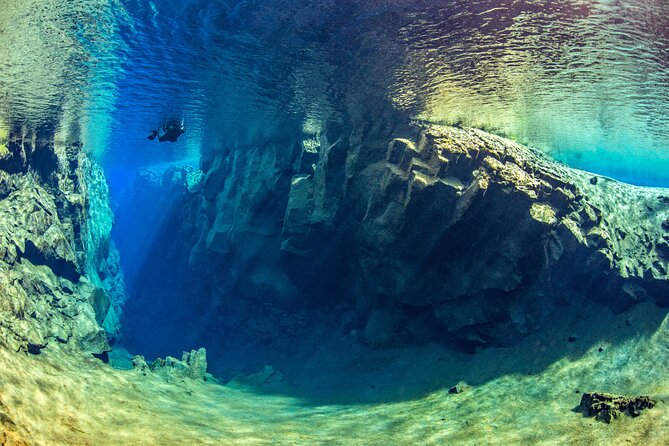
- Very high visibility in the Silfra water, often extending far beyond 100 meters
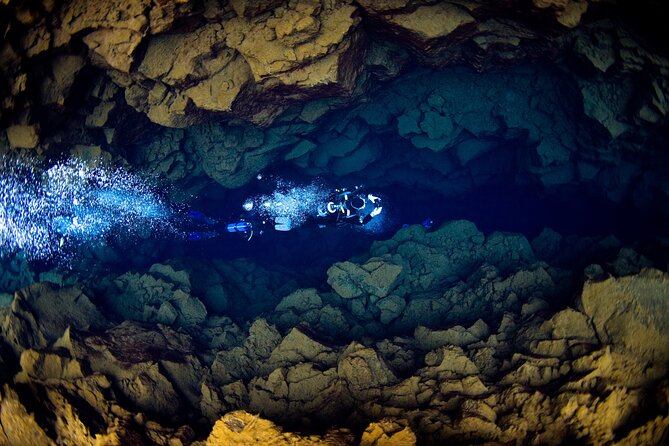
- Route through Silfa Hall, Silfra Deep Crack, Silfra Cathedral, and Silfra Lagoon
- Cold-water timing varies by season, with winter sometimes limited to one longer session
Silfra’s Crack Between Continents, and Why the Water Looks Unreal
Silfra is special because it sits in the middle of a fissure where two continental plates slowly pull apart. That means you’re not just looking at “pretty water,” you’re seeing geology at a close range, with walls and cracks that look sharp and engineered even though nature made them.
What you feel first is the sensory shock. The visibility can be extremely high, and the water often has that electric blue look that makes everything feel crisp. Even before you head deeper, you get acclimated in waist-deep water, after descending a ladder to a submerged metal platform. It’s a smart step, because you need time for the cold to register and for your body to get used to your equipment.
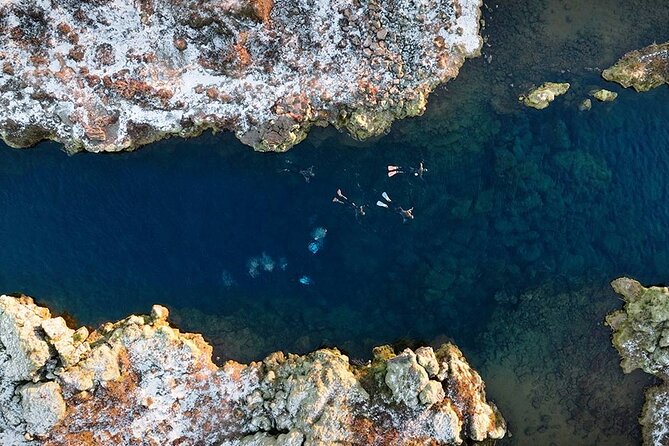
Then you follow your guide through the underwater route: through the narrow Silfra Deep Crack, into wider passages leading toward Silfa Hall, and on into Silfra Cathedral. The Cathedral is described as reaching the deepest point on the route, then the trip continues onward to Silfra Lagoon, which is essentially an endless-looking blue space with huge clarity.
More Silfra snorkeling tours:
- Silfra: Snorkeling Between Tectonic Plates – Meet on Location
★ 5.0 · 5,001 reviews - Reykjavík: Silfra Fissure Snorkeling between Two Continents
★ 4.7 · 1,712 reviews - Silfra Drysuit Snorkeling with Free Photos – Meet on Location
★ 5.0 · 1,299 reviews
Who should book this Silfra underwater scuba session (and who should skip it)
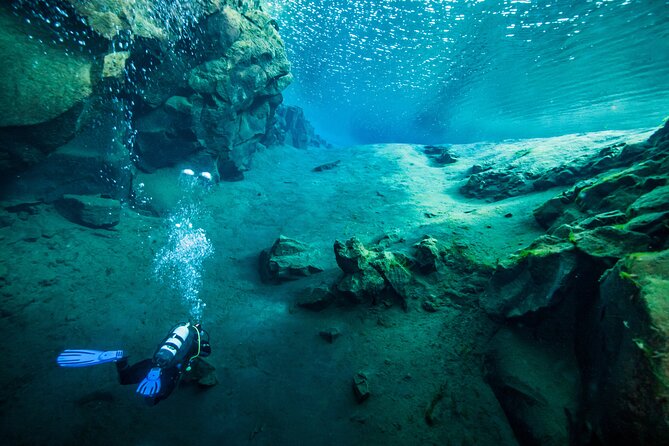
This is for people who already have the right cold-water skills, especially dry suit experience. The requirement is pretty clear: you must have dry suit diving experience, and your guide needs proof such as your certification card or logbook evidence showing at least 10 previous dry suit sessions signed by a dive professional. You also need to have dived in a dry suit within the last two years so your skills are current.
It’s also a fit-and-ability matter. You should have strong physical fitness, and you’ll carry heavy equipment for about 400 meters. That’s a big deal. Even if you’re comfortable underwater, hauling gear over that distance can wear you out before you even start.
If you’re a certified scuba student who has done dry suit outings recently, you’ll likely enjoy it a lot. If your dry suit experience is old, or you tend to feel panicky when things get cold or technical, you’ll have a rougher time than you need.
Meeting at Thingvellir: timing, briefing, and the park rules that matter
You meet at the Silfra parking and entry area inside Thingvellir National Park. The meeting point is at Silfra meeting point, Vallarvegur 806, Iceland. This is not a Reykjavik pickup tour, so you need your own way to get there.
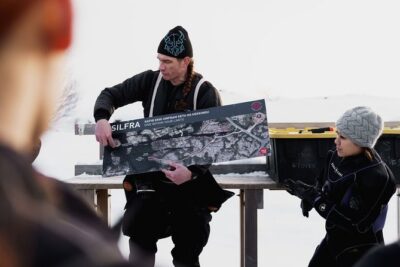
At the start, you get a thorough briefing. Expect park regulations, diving procedures, and signals. This matters in Iceland because conditions can change fast and cold affects decision-making. The briefing also helps you move as a team in tight spaces and keep the route organized.
There’s also a practical cost to remember: the national park charges a parking fee of 500 ISK for a private car, and that’s at your own expense. Plan your arrival so you have time for the meeting and equipment handoff without feeling rushed. Once you’re kitted up, the cold-water part is not the moment to be stressed.
Getting kitted up: dry suit comfort, cold-water safety checks, and the small details
The equipment is included, including the dry suit, mask, fins, thermal undersuit, tanks, weights, and regulator. That’s a big value win, because buying or renting the full dry suit package can be expensive and complicated to plan.
You’ll start with gear familiarization. You’ll listen to how things work, get your dry suit sorted, and learn the dive route plan. After that, you descend a ladder to the submerged platform.
Before you go deeper, you stand in waist-deep water to acclimatize. You also do weight and safety checks. This is where the tour earns its reputation for being well managed. A good guide makes sure you’re balanced and that your safety setup is correct before you start swimming in narrow areas.
One comfort tip that comes straight from real on-the-ground experience: having a calm, supportive instructor makes a huge difference in cold water. In a standout example, guide Franceska was praised for warming gloves, helping with dry suits, and keeping the whole experience steady and personal.
Because the water is cold, your underlayers matter. You’re instructed to wear warm undergarments such as fleece or wool, and warm socks are required. Bring a change of clothing too. No dry suit is guaranteed to be perfectly dry, especially when you’re dealing with winter conditions and real-world entry and exit.
A few more Reykjavik trips worth comparing
- Silfra: Diving Between Tectonic Plates and Pick Up from Reykjavik
★ 5.0 · 590 reviews - Thingvellir: Silfra Fissure Diving with Optional Pickup
★ 4.6 · 73 reviews - Silfra: Diving Between Tectonic Plates
★ 4.8 · 64 reviews
The glasses and mask rule: plan your vision setup early
There’s a specific equipment issue you should take seriously: your mask must seal well. Because you’re using a snorkeling or dive mask to see underwater, there can be nothing in the way of the seal.
That means you cannot wear glasses underneath the mask. If you need vision correction, you’ll have to use contact lenses, or bring your own prescription goggles. This is the kind of detail that can ruin a day if you assume it’ll work out. Plan it before you go.
Also, don’t forget that fogging and discomfort can become more likely when you’re cold and adjusting gear. Having the right vision setup reduces friction so you can focus on the route and the scenery.
The underwater route: Silfra Deep Crack, Silfa Hall, Silfra Cathedral, and Silfra Lagoon
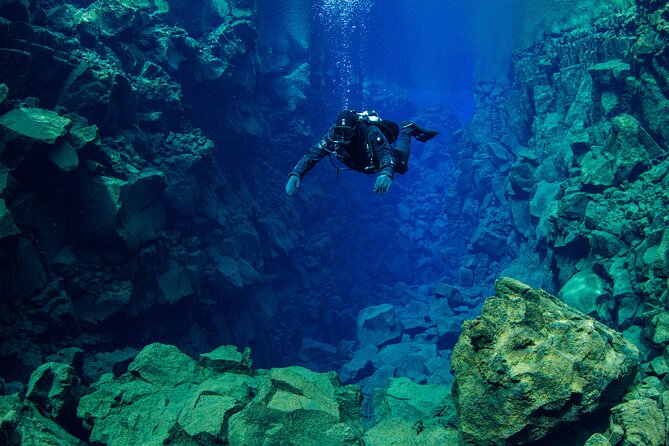
Once you start, you follow your guide through the underwater world at depths limited to 59 feet, or 18 meters. The route is designed like a story, starting with a narrow section and then expanding into wider spaces.
You’ll pass through Silfra Deep Crack, where the two continental plates are close together. This narrow gap is what makes Silfra feel so unreal. Even with normal scuba gear, the geometry of the space makes you aware of your body position and buoyancy.
Then the crack widens and you enter Silfa Hall. This is the point where the visuals can go from “cool” to “how is this even real.” The water clarity makes edges and contours look sharp, and the electric blue color helps everything feel high-contrast.
After that, the route continues into Silfra Cathedral, which is described as reaching the deepest point at 72 feet, or 22 meters. Lava walls are part of the visual experience here, and the cavern-like space gives the underwater world a cathedral feel in the practical sense, not the decorative sense.
Finally, you reach Silfra Lagoon, a brilliant-blue lake-like area where visibility can feel almost endless. The idea is not just to see one feature, but to experience how the fissure changes from tight crack to open chamber to lagoon space.
How long you’ll be underwater, and what changes in winter
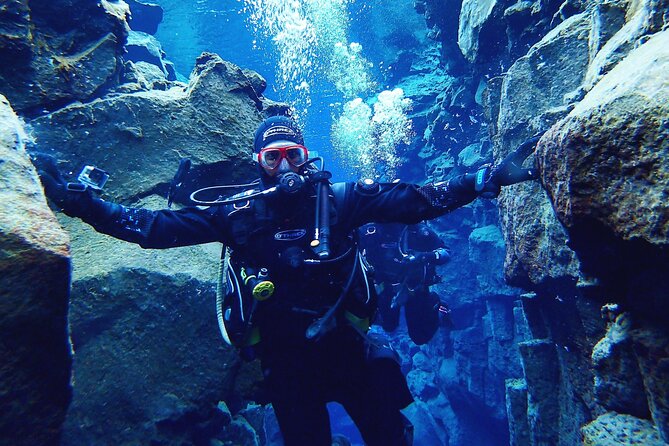
You book your required underwater session time in advance. In summer, you may get the option of making two separate submerged segments of about 30 minutes each. In winter, if the water is below freezing, the schedule changes to a single session of approximately 45 minutes.
There’s also a safety-based seasonal rule: if the temperature drops below -0°C, there’s a possibility your instructor changes the tour to just one session due to safety reasons.
The takeaway for you is simple: build flexibility into your day. Weather and cold are not just background factors. They can shape the total time, and your guide will make the call based on safety.
Price and value: what $296.41 buys you, and where the extras are
At $296.41 per person for about a 4-hour experience, you’re paying for more than “access to water.” You’re paying for a guided, small-group, technical cold-water setup with dry suits and full scuba equipment.
Here’s what makes the cost feel more reasonable when you break it down:
- Small-group guidance (maximum 3 travelers). That reduces crowd stress and increases personal attention.
- Full gear package included, including tanks and weights. If you’ve ever priced cold-water scuba rentals, you know this can add up fast.
- Warm-up snacks included afterward, specifically hot chocolate and cookies. That matters more in Iceland than it does in warmer ports.
The extras you should account for are clear. There’s no Reykjavik pickup. You’ll likely spend time and money getting yourself to Thingvellir. Parking in the national park costs 500 ISK for a private car. Meals are not included either.
If you compare this to doing the logistics independently, paying for a guide and a complete dry suit and regulator setup is often the difference between a smooth day and a complicated one.
What to pack for Silfra: warmth, backups, and comfort goals
You’ll be cold. That’s part of the point, and it’s also why preparation matters.
Bring:
- Warm underlayers such as fleece or wool, plus warm socks
- A change of clothing for after the session
- Your contacts or prescription goggles if you don’t have perfect mask compatibility
- Extra patience for gear checks and acclimatizing time
Also mentally prepare for the “heavy kit” reality. The tour description notes you must carry heavy equipment for about 400 meters. That means your day is not just an easy walk to the water. Comfortable footwear and an ability to walk at a steady pace helps.
Finally, if you’re someone who gets uneasy when you feel cold, decide in advance that you’re going to treat it like a phase. You’ll acclimatize in waist-deep water, then your guide leads the route. Having that plan helps you avoid spiraling.
Ratings, what people clearly care about, and the guide effect
This experience holds a 4.6 average rating with about 91 percent recommending it. The pattern behind those numbers is pretty obvious in the details you get: the cold-water environment is harsh, so the quality of the guide is everything.
One review experience made the guide impact feel very real. Franceska was praised for being genuinely excited and calm, warming gloves, and giving hands-on help with dry suits. That kind of support takes a technical outing and turns it into a personal, well-managed experience.
Even if you’re experienced, dry suits change how you move. The best guides help you get balanced quickly, confirm your safety checks, and keep the pace controlled so you can enjoy what you came for.
Should you book this Silfra Fissure scuba session?
I think you should book it if you meet three conditions.
First, you have recent dry suit experience and can show the required proof. Second, you have the physical fitness to carry heavy equipment for about 400 meters and handle cold-water conditions without getting flustered. Third, you’re excited by clarity and geology, not just by “doing something underwater.”
Skip it if dry suit skills are rusty, you have vision needs that don’t match the mask seal rules, or you know you struggle with cold even with good gear.
If you do go, plan for warm clothing, contacts or prescription goggles, and a change outfit. Arrive ready to listen, because the signals and procedures briefing is a big part of why the experience stays safe and smooth. And if your guide happens to be as supportive as Franceska was in one of the memorable experiences, that can turn a demanding cold-water day into a very satisfying one.
FAQ
Where does the tour meet?
You meet at the Silfra meeting point at Vallarvegur, 806, Iceland. The activity ends back at the meeting point.
How long is the experience?
It runs about 4 hours.
What is included in the price?
Included are the guided scuba tour in Silfra with a certified PADI Divemaster, small-group format, all specialized dive equipment (drysuit, mask, fins, thermal undersuit, tanks, weights, regulator), and hot chocolate and cookies.
Do they include pickup from Reykjavik?
No, pickup service from Reykjavik is not included.
What is the maximum group size?
The tour has a maximum of 3 travelers.
What are the requirements for dry suit experience and documentation?
You need previous dry suit diving experience. Your guide needs to see your dry suit certification card or logbook showing at least 10 previous dry suit dives signed by a dive professional. You also need to have dived in a dry suit within the last 2 years.
Can I wear glasses under the mask?
No. You cannot wear glasses underneath the mask. You will need contact lenses, or bring your own prescription goggles.
Is there a winter schedule change if conditions are very cold?
Yes. If the temperature falls below -0°C, there is a possibility the instructor will change the tour into just one dive due to safety reasons. In winter, if water temperatures are below freezing, you will perform a single dive of approximately 45 minutes.
Is there free cancellation?
Yes, free cancellation is available. You can cancel up to 24 hours in advance for a full refund, and you’ll be offered a different date or a full refund if the experience is canceled due to poor weather.
Recently reviewed around Reykjavik
- Private Day Trip to the Icelandic South Coast from Reykjavik★ 5.0 · 45 reviews
- Deluxe Whale Watching and Whales of Iceland Exhibition Combo from Reykjavik★ 4.5 · 13 reviews
- Day Trip to the Golden Circle and Hot spring Geyser by 4WD Jeep from Reykjavik★ 5.0 · 27 reviews
- Private Transfer from Reykjavik to Reykjavik Airport KEF by Sedan★ 5.0 · 3 reviews
- Private Tour Höfn: Jokulsárlón , Diamond Beach, Secret Glacier★ 4.5 · 3 reviews
- South Coast and Glacier Snowmobiling Day Trip from Reykjavik★ 4.5 · 22 reviews
- Conventional Ride (Free as a Bird) from Hveragerdi★ 5.0 · 71 reviews
- Cold & Hot: Adventure Spa Tour Combo: Silfra & Sky Lagoon Self-Drive★ 5.0 · 36 reviews
Silfra Snorkeling Tours, compared.
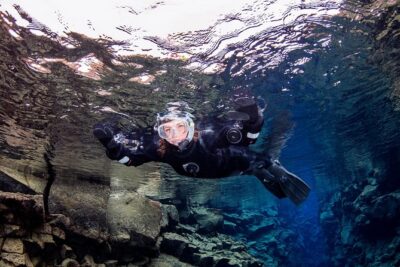
Snorkeling Between Tectonic Plates – Meet on Location
Read our review →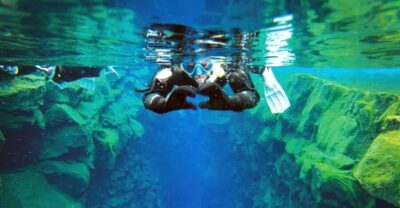
Fissure Snorkeling Tour with Underwater Photos
Read our review →
Silfra Fissure Snorkeling between Two Continents
Read our review →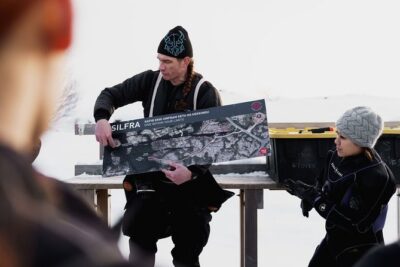
Silfra Drysuit Snorkeling with Free Photos – Meet on Location
Read our review →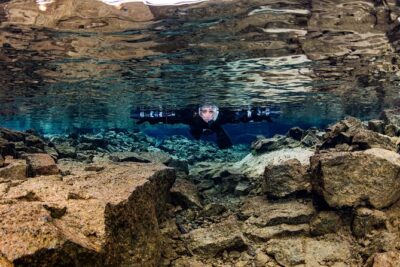
Snorkeling Between Tectonic Plates Pick Up from Reykjavik
Read our review →
Half-Day Snorkeling Day Trip with Underwater Photos
Read our review →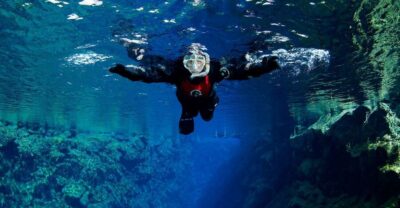
Silfra Drysuit Snorkeling Tour with Free Photos – From Reykjavik
Read our review →Browse the lists this tour appears in