
Reviewed · PUFFIN TOURS
Beluga and Puffin Sanctuary Visitor Centre with Aquarium
This stop in Vik is interesting because it packs wildlife, care work, and hands-on education into one quick visit. You get the world’s first beluga whale sanctuary and a puffin hospital where the conservation mission is the main event. I like that the experience is structured like a visitor-centre tour, so you understand what you are seeing instead of just watching tanks.
I also like the payoff of actually seeing animals behave naturally, including belugas reacting to you through observation windows and puffins in their care spaces. The one drawback to plan around is time: the visit is about 40 minutes. If you are the type who wants long, slow wildlife viewing, you may want to pair it with extra time in the area.
Good news for logistics, it is manageable for most travelers, service animals are allowed, and it is near public transportation. In other words, it is a solid add-on when you want something meaningful without spending half a day driving in the dark.
Key things to know before you go
- World’s first beluga whale sanctuary in a purpose-built visitor setup
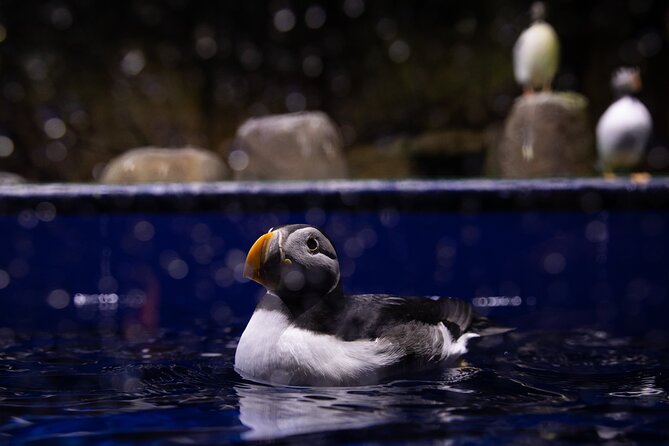
- Puffin hospital focus, with puffins you can watch and care work you can learn about
- Native species aquarium included, so you get more than just belugas
- Seasonal beluga routine, with explanation of why they may be in observation tanks during colder months
- Beluga behavior can be interactive, with belugas turning, jumping, and responding to visitors
- Helpful staff and Q and A, based on what you will likely be able to ask on site
SEA LIFE Trust Beluga Sanctuary in Vik, what you will actually experience
This is not a vague zoo stop. It is a visitor centre built around the idea of animal welfare, education, and ongoing rescue and protection work. In Vik, that means you can spend a little time learning how the island environment shapes what animals need.
The format is straightforward. You go in, you tour the visitor centre, and you connect the animals you see to the reason they are there. It is the kind of place where, after a short walk and a few minutes at the windows, you start noticing details you would otherwise miss.
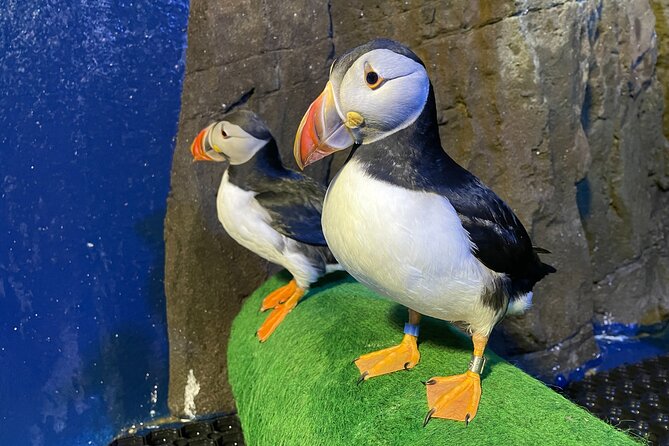
The beluga viewing is the headline, but the puffin work is the heart of the story. You see why puffins need help, and you can watch them as part of an active care setup rather than a distant exhibit. That balance is what makes the visit feel more like a mission than a quick photo stop.
More puffin tours in Vik:
- Reykjavik: Puffin Watching Boat Tour
★ 4.6 · 1,052 reviews - Puffin and Volcano Tour with Ebbi
★ 5.0 · 731 reviews - Puffin Cruise with Expert Tour Guide from Reykjavik
★ 4.5 · 636 reviews
How the 40-minute visit flows, visitor centre to aquarium viewing
Plan your time so you do not feel rushed. The experience runs about 40 minutes, so it is not long enough to wander slowly through every room and still catch all the viewing moments comfortably. If you can arrive a few minutes early, you will get more enjoyment out of the whole sequence.
You start with the visitor centre portion. Expect guided-style interpretation of the belugas, why they are housed in this sanctuary, and what the sanctuary is trying to protect. After that, you move into the viewing areas where the animals are the focus.
One thing you will appreciate is that the experience is designed to make sense in a short time. You are not just handed a map and told good luck. The setup encourages you to follow the conservation logic as you go, and that makes the aquarium viewing feel more meaningful.
If you are visiting with family, this pacing usually works. Kids can see the animals, you can answer questions, and you are not stuck in one long indoor lecture. Adults get enough context to feel like they learned something real, not just glanced at tanks.
Beluga whale sanctuary viewing, and the seasonal logic behind it
Belugas are famously expressive, and this sanctuary is built around letting you watch them clearly. You can observe them through the windows, and if you keep your attention on what they do rather than only what you photograph, you will notice patterns.
In the winter season, belugas may be in an observation tank at this location. You can also learn the broader idea that belugas spend the summer in a protected bay, then are brought into greater protection when conditions shift. That context matters because it turns a tank visit into a story about seasonal care.
What I like about this setup is that it gives you a reason for the animals being where they are. Many animal attractions show you the end result. Here, you get the why, which makes the viewing feel more respectful and informed.
Also, beluga behavior can be surprisingly interactive. Expect moments where they notice you, then respond with movement, turns, and the occasional energetic display. It can feel like they are curious rather than simply performing on a schedule.
A practical tip: stand where you can keep your eyes moving between belugas, not just stare at one spot for the whole time. Their activity often changes location, and you will catch more behavior that way.
Puffin hospital, watching care work in action
If you only care about belugas, you might still leave happy. The puffin hospital is a strong second highlight because you can actually see puffins tied to care and rehabilitation work, not just a display.
In the best moments, puffins are active and you can watch them move through their space. Some visits include times when puffins are fed, which adds a clear rhythm to the viewing and helps you see how caretakers manage routine. You will probably notice that the puffin setup is designed for observation, so you can spend time watching without feeling like you are in a rushed line.
The education portion helps too. You learn about why puffins need protection, and how the island’s puffin population depends on careful human support. In Iceland, the island environment can make animal survival a challenge, and the sanctuary’s role is to help fill in those gaps.
If you are traveling with bird lovers, this portion can be a real emotional win. Puffins tend to feel instantly friendly, and when they are active, they look like they are constantly plotting something cute.
Same corner of Iceland, a different kind of day out:
- Reykjavik: Jokulsarlon Glacier Lagoon Full-Day Guided Trip
★ 4.7 · 3,302 reviews - South Coast Classic: Full-Day Tour from Reykjavik
★ 4.6 · 2,457 reviews - From Vik: Katla Ice Cave and Super Jeep Tour
★ 4.6 · 2,110 reviews - Skaftafell: Ice Cave Tour and Glacier Hike
★ 4.5 · 1,746 reviews
Native species aquarium, a helpful bonus beyond the main stars
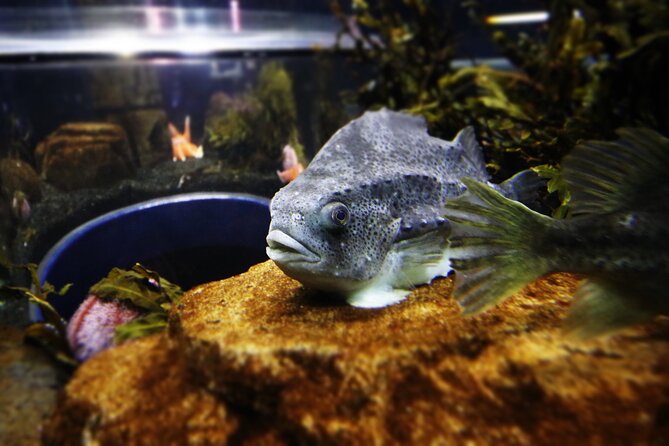
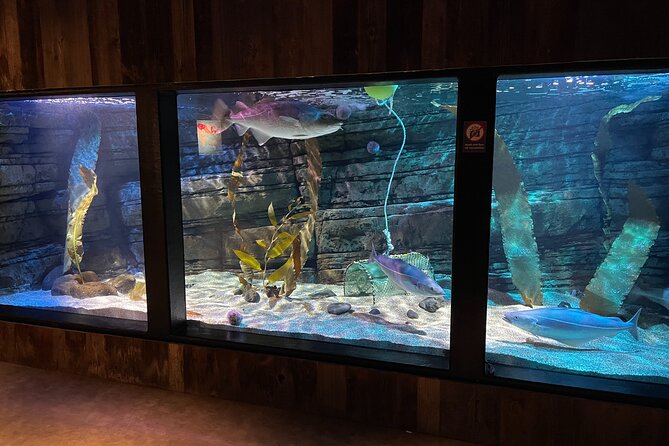
The aquarium portion is more than a filler. You get to see other local species alongside the beluga and puffin focus, which helps you zoom out and understand the ecosystem idea rather than treating each animal as a separate attraction.
This is where the experience gives you a little extra value for your time. A 40-minute stop can easily turn into one-dimensional viewing, but a native-species angle makes it feel more complete.
What to expect here is not hours of wandering. It is a curated look at local sea life. You will leave with a clearer mental picture of what the waters around Iceland can hold, and that makes the rest of your day in coastal Vik feel more connected.
If you are short on time, the aquarium is also a good way to see something even if the belugas are calm in that moment. Animals do what they do, but the aquarium keeps the visit balanced.
Staff support and visitor-centre learning that feels practical
One of the most praised parts of the experience is the staff. You can ask questions and get answers that tie back to the animals’ care and the sanctuary’s role. That matters because it turns your viewing into actual understanding.
The visitor-centre tour format makes the information digestible. Instead of overwhelming you with facts, it guides you toward the core ideas. Why belugas are there, why puffins need help, and how the aquarium fits into the bigger picture.
When a site is this focused, good staff can make the difference between I saw some animals and I understand what I saw. Based on what you can expect on site, plan to ask one or two questions you genuinely want answered, not just the first thing that pops into your head.
If you enjoy hands-on learning, you will likely like the way this place explains seasonal care and daily routines you cannot see just by watching through glass.
Practicalities in Vik, hours, tickets, and getting there
This sanctuary is in Vik, and the attraction operates during set daily hours. Opening times are 10:00 AM to 4:00 PM, Monday through Sunday, across the listed season. That is important because Iceland weather and day plans can change fast, so building your visit inside the window helps you stay flexible.
Tickets are mobile, so you can keep it simple on your phone. You will also get confirmation at booking time, which makes it easier to plan around limited daylight.
The visit runs about 40 minutes, so treat it like a compact stop rather than a full activity block. If you are pairing it with other Vik sights, schedule it so you do not feel rushed to leave the moment you sit down.
It is near public transportation. So if you are traveling without a car, you are not completely stuck. If you do have a car, you still will want to arrive with enough time to park and walk comfortably, since wildlife viewing is best when you can settle in calmly.
Service animals are allowed. And since most travelers can participate, it is generally a good option for a wide range of ages and travel styles.
Weather and animal viewing, what to plan when conditions change
This experience requires good weather. That can matter in Iceland more than you expect, because wind and low visibility can change both comfort and whether you want to stand by windows for extended stretches.
If poor weather causes a cancellation, you should expect a choice of a different date or a full refund. That is the key reassurance. It means you are not stuck with a wasted trip if conditions shut down the experience.
My practical advice is to treat this as a plan-with-options stop. Build it as something you can try for one day, but do not lock your whole schedule to it if you have limited time in the region. If you have ferry dependencies on other parts of your trip, keep in mind that travel disruptions can affect your ability to reschedule smoothly.
One caution worth saying plainly: if your plans depend on getting to the island by ferry, and that ferry is canceled due to weather, rescheduling might not align with your travel timeline. I would not count on a perfect match, so build your days with buffer time when possible.
Value for your time in Iceland, what you get for a short stop
For a 40-minute experience, you are getting a lot of content. You see the core animals, you learn why they are cared for this way, and you get a native species aquarium add-on. That combination is what makes it feel worth your time even if you only have one compact stop to fit in.
You also get value through context. When you understand seasonal beluga routines and the purpose of the puffin hospital, you watch differently. You are less likely to treat the day as just pictures, and more likely to remember the conservation angle when you leave.
If your Iceland trip is heavy on scenery and you want at least one place where the focus is animals and care work, this is a good counterbalance. It can break up long drives and give you a grounded, human-centered activity that still feels very Iceland.
The best-fit traveler is someone who likes wildlife but also likes learning. If you are purely there for speed and photos, you might feel the structure is more educational than you expected, but you can still enjoy the viewing.
Who this sanctuary visit suits best, and who might want more
This stop is ideal for families, wildlife fans, and people who want a calm indoor and viewing mix without committing to half a day. It also works well if you have a day structured around Vik area sightseeing and you want a meaningful conservation activity without complex planning.
If you are an avid birder, the puffin hospital portion will likely be your favorite because it is visually engaging and directly tied to care work. If you are a beluga watcher, the sanctuary windows and the chance to see seasonal placement explained will make the visit feel coherent.
Who might want something else? If you are looking for a long, in-depth wildlife experience with lots of time outdoors, 40 minutes may feel short. Also, since the site requires good weather, you may be happier building it into a day when forecasts look stable.
For anyone who wants to combine learning with animal viewing in a simple, time-efficient way, this is a strong match.
Should you book this beluga and puffin stop?
I would book it if you want a short, high-impact conservation visit in Vik. It is time-efficient, staff-led learning is part of the experience, and you get both beluga viewing and puffin hospital context plus a native species aquarium.
I would skip or delay if weather is uncertain and you hate committing to plans that depend on conditions. If you are traveling with tight ferry connections and no extra slack in your itinerary, add a buffer because rescheduling might not be as flexible as you hope.
If your trip includes a must-do wildlife moment, and you also care about how that wildlife is protected, this sanctuary stop is one of the more sensible ways to spend an hour on Iceland’s south coast.
FAQ
How long is the beluga and puffin sanctuary visitor centre visit?
The experience lasts about 40 minutes.
Where is this experience located?
It takes place in Vik, Iceland.
What is included with admission?
Admission to the sanctuary visitor centre is included.
Is the ticket mobile?
Yes, it uses a mobile ticket.
What are the opening hours?
The listed hours are 10:00 AM to 4:00 PM, Monday through Sunday.
Is there confirmation after booking?
You should receive confirmation at the time of booking.
Is a service animal allowed?
Yes, service animals are allowed.
Is it easy to reach with public transportation?
The experience is near public transportation.
What weather conditions are required?
This experience requires good weather. If it is canceled due to poor weather, you will be offered a different date or a full refund.
What is the cancellation rule?
You can cancel for a full refund up to 24 hours in advance. If you cancel less than 24 hours before the start time, the amount paid is not refunded.
Recently reviewed around Vik
- Katla Ice Cave Tour from Vik Small-Group Guided Adventure★ 4.5 · 84 reviews
- 3 Hours Katla Ice Cave Tour/Meet in Vík★ 4.0 · 16 reviews
- Ice Cave Katla Private Super Jeep Tour from Vík★ 4.0 · 5 reviews
- Micro group – Ice climbing at Sólheimajökull★ 5.0 · 10 reviews
- Glacier Hike at Solheimajokull in Small Group (6 pers max)★ 5.0 · 26 reviews
- Ice Cave at Katla Volcano★ 4.5 · 6 reviews
- Small-Group Ice Climbing and Glacier Hiking in Solheimajokull★ 4.5 · 21 reviews
- Glacier Exploration Hike and Climb★ 5.0 · 5 reviews
Puffin Tours, compared.
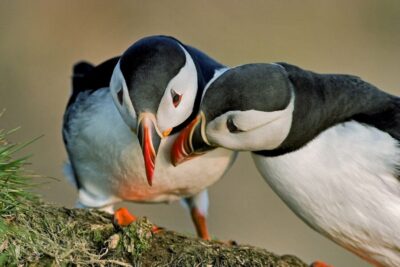

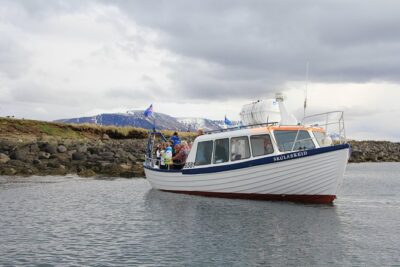
Puffin Cruise with Expert Tour Guide from Reykjavik
Read our review →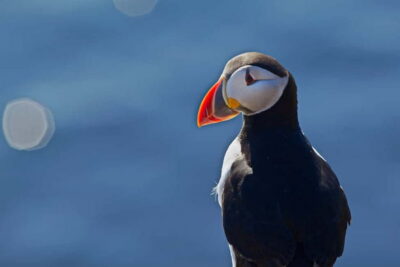
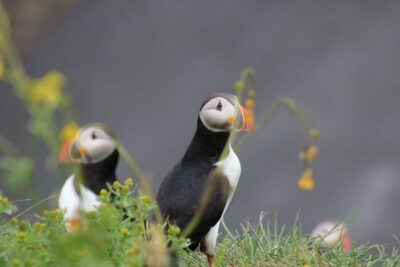
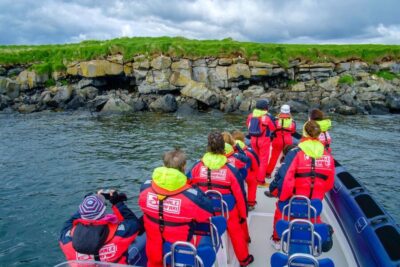
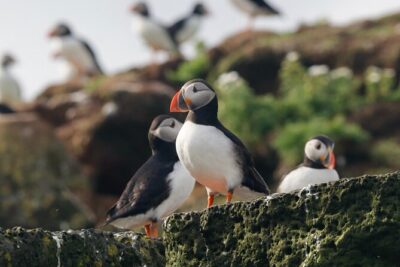
Classic Puffin Watching Cruise from Downtown Reykjavík
Read our review →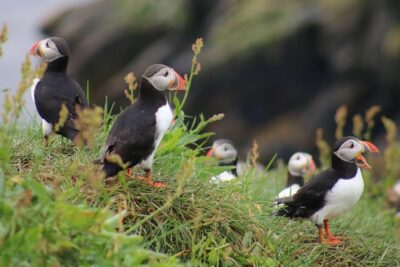
Premium Small-Group Puffin & Bird Watching tour from Reykjavík
Read our review →Browse the lists this tour appears in