
Reviewed · MUSEUMS
Reykjavík: National Museum of Iceland Entry Ticket
The National Museum of Iceland is interesting because it turns Iceland’s big, dramatic story into a walk you can do at your own pace, from medieval ship travel to modern life. I especially like the museum’s Viking-era artifacts and the way they make the distant past feel concrete. I also like that the ticket sets you up with a 10-language audio guide, so you can understand what you’re looking at without hunting for an English-only helper.
One thing to think about: the museum is spread out, and it can be a little harder to follow if you prefer tight, step-by-step storytelling. If you love reading lots of interpretive text, you’ll likely enjoy it more than if you skim.
Key highlights you should not miss
- Thor figure dated to around the year 1000, one of the most famous items on display
- About 2,000 artifacts covering the Settlement Age to the present day
- A permanent exhibition framed by the question What makes a nation?
- The museum shop offers replicas of archaeological finds
- Temporary exhibitions that usually focus on Icelandic culture
- Audio guide in 10 languages plus WiFi included
First stop: where this museum takes you in time
The National Museum of Iceland is not a museum that asks you to do homework first. You walk in, show your ticket at the reception desk, and you start moving through a permanent exhibition designed like a time journey. The core theme is simple and smart: What makes a nation? You’ll see how people, objects, and ideas shaped Iceland from when settlers crossed the ocean to when Icelanders created a modern society connected to the wider world.
The exhibition is built as a sequence. It begins with a ship image tied to medieval settlers crossing the ocean, and it ends with a modern airport, treated as Iceland’s gateway to the world. That end point matters. It’s easy to think of Iceland as either “Vikings and sagas” or “modern north Atlantic cool,” but this museum stitches both eras into the same national story.
If you want value, plan for time to actually read what you’re seeing. Many people manage a solid visit in about an hour and a half, but if you stop at multiple rooms and linger over specific objects, you may want longer. The museum is also a strong option when weather turns rainy in Reykjavík, since you’re not dependent on street-level sight conditions.
A few more Reykjavik trips worth comparing
- Reykjavik: Perlan Museum Wonders of Iceland Entrance Ticket
★ 4.7 · 2,575 reviews - Reykjavík: Hop-On Hop-Off Bus and Perlan Museum Entry Ticket
★ 4.3 · 719 reviews - Reykjavik: Whales of Iceland Museum Entrance Ticket
★ 4.4 · 493 reviews
What you’ll see: the permanent exhibition’s big ideas
The Settlement-to-present storyline
The permanent display is organized around Icelandic history from the Settlement Age to modern day life. You’ll encounter objects and photographs that cover a wide span, not just the “greatest hits.” The museum describes the collection as roughly 2,000 artifacts, plus photography from the 20th century. That combination is a big part of why this works for more than one type of visitor. If you’re into material culture, you’ll be happy. If you care more about daily life and context, the photographs help you land the story in human terms.
A helpful way to approach it: don’t force yourself to read everything word-for-word. Instead, pick a few time periods that interest you most and let the exhibit do its job as background structure. You’ll still get the timeline, even if you do selective reading.
The famous Thor figure dated around 1000
One of the best-known items here is a representation of Thor, dated to around the year 1000. It’s the kind of object that makes museum history feel real because it’s both recognizable and specific. You’re not just hearing about Norse religion as an idea. You’re seeing an artifact with a date attached to it, and that date pulls you closer to the moment when Iceland’s culture was shifting.
If you’re a Viking enthusiast, this is your anchor stop. Build your route around it and let everything else connect back to that sense of time and belief.
Same corner of Iceland, a different kind of day out:
- Reykjavik: Golden Circle Full-Day Tour with Kerid Crater
★ 4.8 · 24,485 reviews - Reykjavik Food Walk – Local Foodie Adventure in Iceland
★ 5.0 · 18,952 reviews - Iceland: Northern Lights Bus Tour from Reykjavik
★ 4.1 · 11,161 reviews - Reykjavík: South Coast Waterfalls, Black Sand & Glacier Tour
★ 4.8 · 11,030 reviews
The first Bible printed in Iceland in the 1500s
The museum also highlights the first Bible printed in Iceland in the 16th century, described as one of the most beautiful prints in Icelandic. That’s a detail you can miss if you only race through. I like this part because it shows culture change in a way that feels tangible. Printing is technology, but it’s also identity. A book like this is connected to language, education, religion, and how a small island nation positioned itself in a larger European world.
If your brain tends to connect dots through “how did they do it,” you’ll probably appreciate this section more than you expect.
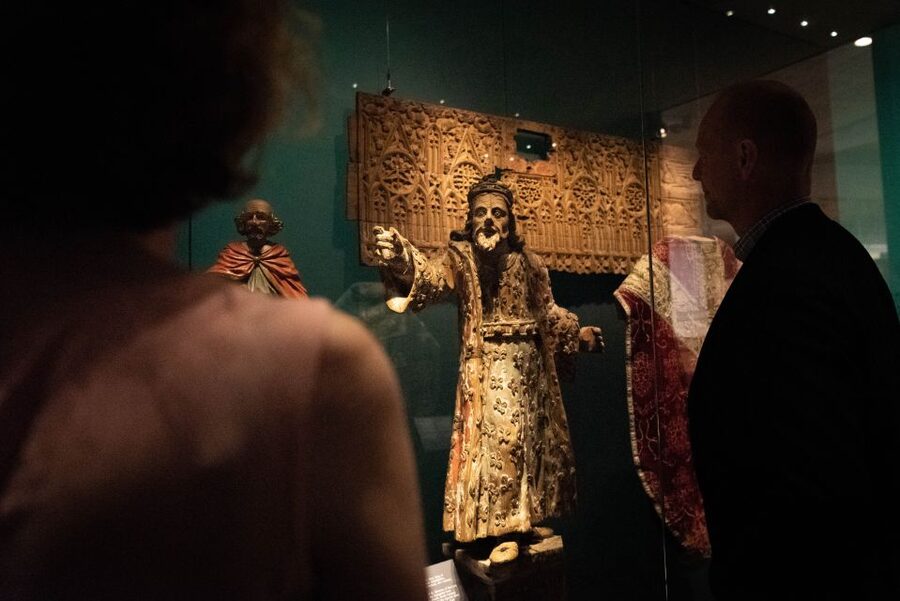
Medieval church artifacts and the bridge to later Iceland
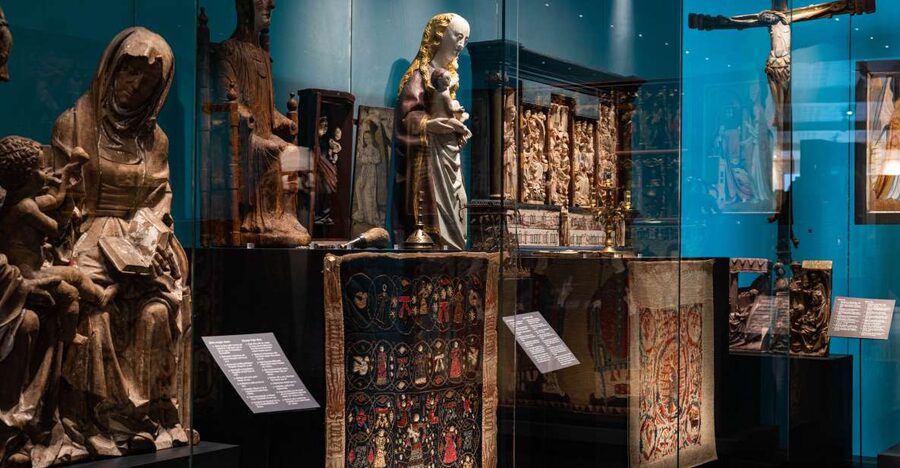
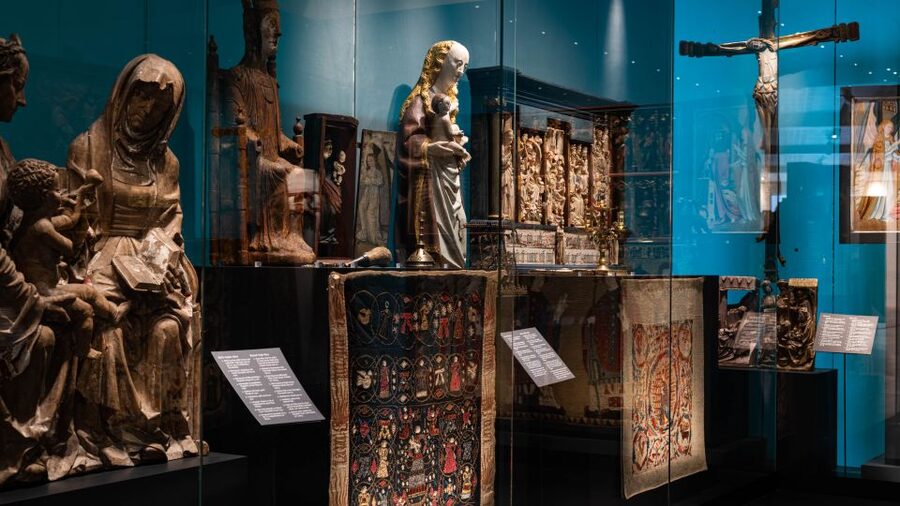
There are also artifacts from medieval churches, plus other important items tied to church life. This matters because church artifacts are not just religious relics. They reflect art style, trade routes, craftsmanship, and what communities cared to preserve and display.
This is one of those museum categories where the object might not be what you’d pick as a souvenir, but it teaches you how people expressed values long before modern museums existed.
Temporary exhibitions: your wildcard

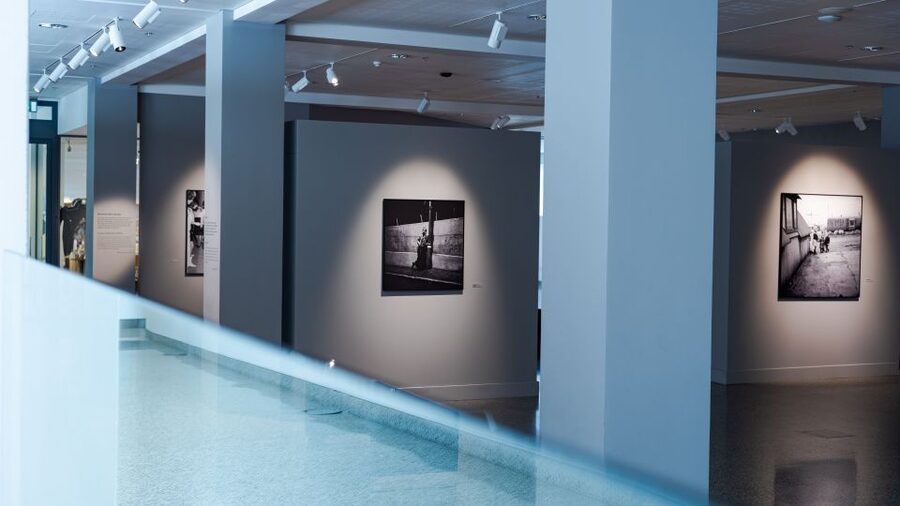
Your ticket gives you access to the museum’s temporary exhibitions as well as the permanent collection. Temporary exhibits can vary, but they often focus on Icelandic culture, which usually means you get extra depth without losing the big-time narrative.
A practical tip: if you have limited time, don’t treat the temporary exhibition as optional extra clutter. If it’s scheduled during your visit, it can be the part that feels most relevant to what you’re doing in Reykjavík right now. The temporary exhibit slot can also help you avoid “museum fatigue,” because it breaks up the permanent exhibition’s steady timeline.
How to plan your route inside (without getting lost)
Even with a thoughtful layout, the museum can feel spread out. If you’re the type who likes clear sequencing, do this:
- Start with the main timeline and move room-to-room rather than backtracking.
- When you hit a standout object like the Thor figure, pause and then continue forward. Think of that pause as your “reset point.”
- Use the audio guide so you’re not trying to read everything in the room. The audio guide includes English and several other languages.
One review pointed out that the museum could use better numbering for each exhibit and that the sequence was not always obvious. You can protect yourself from that by treating the exhibition like a map rather than a race. Slow down at entry points to a new room and watch for any signposted transitions in the story.
Audio guide, WiFi, and why they matter in practice
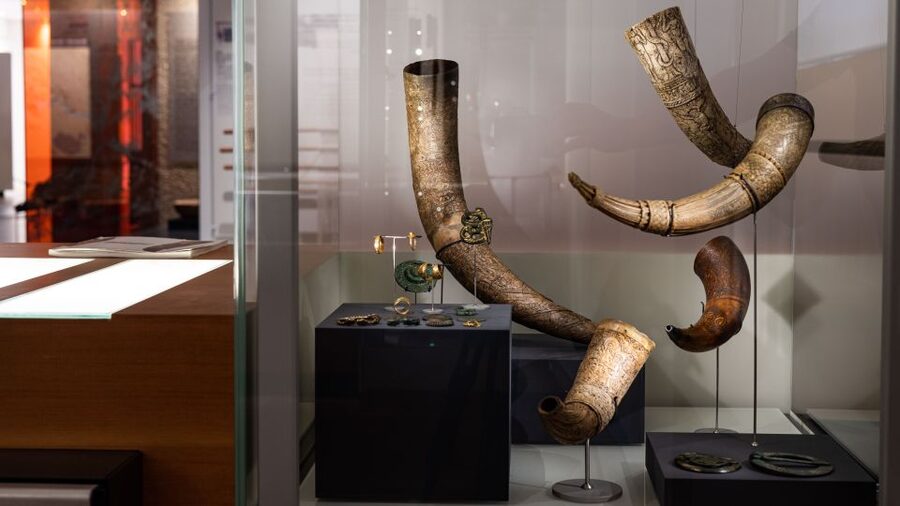
The ticket includes an audio guide in 10 languages: English, Danish, French, Polish, Spanish, Dutch, Swedish, Icelandic, Italian, and Chinese. WiFi is also included. In real terms, that means you can take your time and still feel confident that you’ll understand what the objects are and why they matter.
If you rely on audio, here’s the most useful way to use it: listen once when you’re standing in front of an object, then skim the labels after the audio so you’re learning twice, but efficiently. That approach tends to keep you from missing the connections between rooms.
There’s also a clear value in talking to staff if you want a more personal explanation. One visitor described a staff conversation that made the experience more engaging than relying on audio alone. Even without a named guide, you’ll usually get your best answers by asking simple questions like, What does this artifact show about daily life? or Why is this item dated the way it is?
Museum shop: how to take a piece of the story home
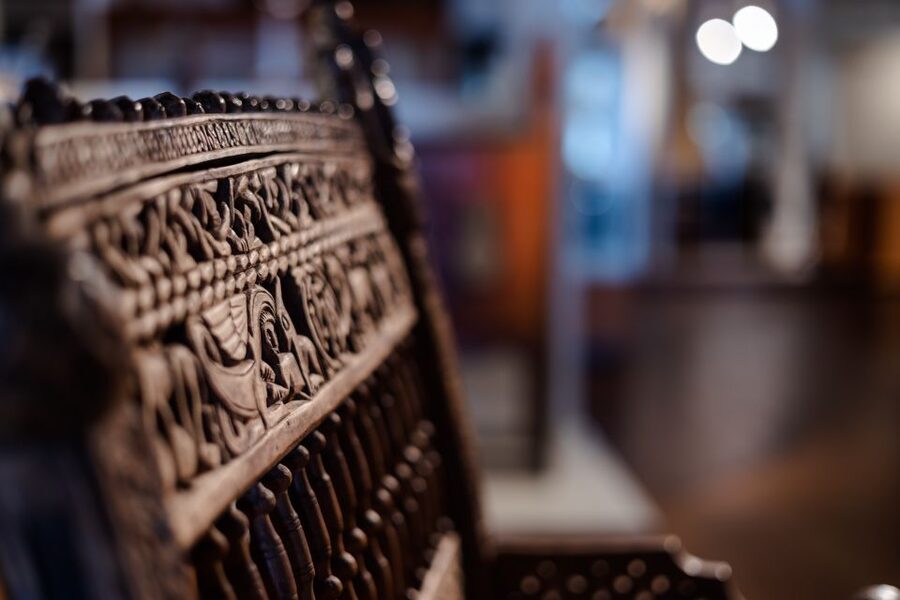
The museum shop sells exclusive replicas of archaeological finds. This is more than a “buy a postcard” setup. It’s a way to bring the museum’s material focus into your day-to-day life after you leave.
If you want a practical buying rule, pick replicas that match what moved you most in the permanent exhibition. That way the souvenir feels like a memory, not a random store purchase. Also, because the shop specializes in replicas of archaeological finds, it fits the museum’s theme more naturally than general gift goods.
Price and value: is $20 a good deal?
The ticket price is listed at about $20 per person. For Reykjavík, that’s not “cheap,” but it can be good value if you like museums with context. This isn’t just a room of objects. It’s an organized timeline with a large collection and an audio guide included.
Two ways to judge value:
- Time spent: One visitor reported about 1.5 hours in the museum and felt it was worth it. If you give it around that amount of time, the ticket often feels fair.
- Depth of interest: If Iceland history is one of your main interests, you’ll likely get more satisfaction per minute than someone popping in for a quick look. The museum has 2,000 artifacts, plus photos and temporary exhibits, so it rewards visitors who pause.
If you’re traveling with very small kids, plan carefully. One review suggested it might not be best for small children. That doesn’t mean children can’t enjoy it, but it’s a museum where context matters, and kids may get more out of faster, more hands-on attractions in Reykjavík.
Who should book this ticket?
This museum is a strong fit if you are:
- A history buff who wants Iceland’s story from settlement to modern life
- Visiting on a rainy day and want a high-quality indoor activity
- Traveling with teens or older kids who enjoy learning through real objects
- Someone who wants a clear “big picture” before you branch out to other Reykjavík sights
It may be less ideal if you:
- Want lots of outdoor roaming and dramatic scenery (this is an indoor time journey)
- Expect a super kid-focused, activity-heavy museum experience
- Prefer short, punchy displays with limited reading, since the storytelling rewards you for slowing down
Pair it with other Reykjavík museums for a stronger day
If you’re building a museum day, this one works best as a foundation. One helpful idea is to pair it with an exhibit that leans into the early story, or with a museum that covers later, more modern chapters. For example, if you’re in a Viking mood, consider pairing it with the Settlement Exhibit. If you’re more into modern themes, pair it with the Maritime Museum, especially for topics tied to the cod wars (as suggested in a recommendation from other visitors).
You don’t have to do both, but pairing helps you avoid “I saw one museum, now I’m done.” Instead, you get a sense of change over time across different collections.
Quick practical tips before you go
- Skip the ticket line is included with this ticket, so you can spend less time waiting and more time inside.
- No luggage or large bags are allowed. If you’re carrying a big daypack, keep it compact.
- Plan on using the included audio guide in multiple languages if you want context without constant label-reading.
- Wheelchair access is available, so the museum can work well for visitors with mobility needs.
Also, if you’re visiting on a Sunday, you might catch something special. One visitor noted seeing a group of locals in traditional dress on a Sunday. That’s not guaranteed, but it’s a nice reminder that Reykjavík culture can show up inside the museum experience too.
Should you book the National Museum of Iceland entry ticket?
Yes, I’d book it if you want a solid indoor activity that explains Iceland in a structured, object-based way. The ticket includes key extras like a 10-language audio guide and access to temporary exhibitions, and it covers a wide historical range without requiring advance study.
I’d think twice if you hate reading interpretive text, need a super kid-friendly format for very young children, or you’re only in Reykjavík for a single afternoon and you want something more hands-on than interpretive displays.
If you’re aiming for value, do this: plan roughly 90 minutes to 2 hours, pick a couple of highlight themes (for example Thor around 1000 and the 16th-century Bible), and use the audio guide to connect the dots. Then you’ll leave with a clearer sense of how Iceland became Iceland.
Recently reviewed around Reykjavik
- Private Day Trip to the Icelandic South Coast from Reykjavik★ 5.0 · 45 reviews
- Deluxe Whale Watching and Whales of Iceland Exhibition Combo from Reykjavik★ 4.5 · 13 reviews
- Day Trip to the Golden Circle and Hot spring Geyser by 4WD Jeep from Reykjavik★ 5.0 · 27 reviews
- Private Transfer from Reykjavik to Reykjavik Airport KEF by Sedan★ 5.0 · 3 reviews
- Private Tour Höfn: Jokulsárlón , Diamond Beach, Secret Glacier★ 4.5 · 3 reviews
- South Coast and Glacier Snowmobiling Day Trip from Reykjavik★ 4.5 · 22 reviews
- Cold & Hot: Adventure Spa Tour Combo: Silfra & Sky Lagoon Self-Drive★ 5.0 · 36 reviews
- Experience Countryside of Iceland by Horseback Riding★ 4.5 · 16 reviews
Museums, compared.

Perlan Museum Wonders of Iceland Entrance Ticket
Read our review →
Hop-On Hop-Off Bus and Perlan Museum Entry Ticket
Read our review →

Aurora Reykjavík, The Northern Lights Center Museum Visit
Read our review →

Whale Watching Tour, Whales of Iceland Exhibition
Read our review →
Skip the Line: The National Museum of Iceland Ticket
Read our review →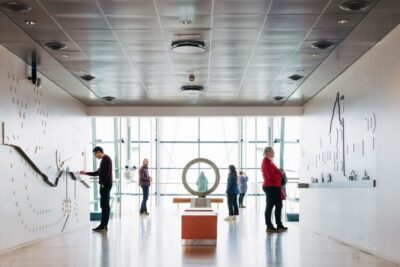
Hellisheiði Geothermal Exhibition: Entry and Audio Tour
Read our review →Browse the lists this tour appears in