Reviewed · GUIDED
13-Day Iceland Geology Adventure Guided Tour from Reykjavík
If you love the idea of Iceland as a giant outdoor lab, this tour is built for you. It links the dots between plate tectonics, volcanoes, glaciers, and the geothermal systems you see every day. The best part is the teaching style: Dr. Jovanelly is the guide, and she uses her own field guide book, Iceland: Tectonics, Volcanics, and Glacial Features, so you get real explanations tied to real rocks and landforms.
Two things I really like about this experience: it is small-group (max 16), and the days include more active geology than the big-box version of the Iceland dream. Also, many excursion fees are included in the price, so you are not constantly playing ticket roulette. The only drawback to consider is that this is weather-dependent and can involve physical stops, including a guided hike on top of a glacier, so you will want to be ready for wind, cold, and some walking.
Key highlights you’ll feel in every day of the trip
- Dr. Jovanelly leads the geology teaching, with Joe Cook alongside her for a fun, field-focused vibe
- Small group of up to 16, which helps you hear explanations and move efficiently between stops
- More active experiences than a typical sightseeing itinerary, including glacier footing and a lava cave visit
- Excursion fees included, with specific admissions listed such as Blue Lagoon and several geothermal and glacier experiences
- Big variety of Iceland geology, from fresh volcanic activity to explosion craters and columnar basalt waterfalls
- One real free day in Akureyri, so you can rebalance before the final push across the island
Geology as the main story, not a side lecture
This is not the kind of Iceland trip where geology gets mentioned only when the bus pulls over. The whole plan is built around the question: how did this island get made? You will spend most of your time where the island’s processes are on display, then you get the explanation that makes the scenery click.
I like that the tour is designed for both science-minded travelers and complete beginners. Dr. Jovanelly has led trips and researched Iceland since 2006, and her background is academic and fieldwork based. That matters because it keeps the teaching grounded in what you are actually looking at, not a list of random facts.
And yes, you will still get the Iceland you came for: waterfalls, geothermal steam, black-sand coastlines, and ice that looks too unreal to be real. But you will understand why those things exist. It turns Iceland from pretty to meaningful.
A few more Reykjavik trips worth comparing
- Reykjavik: Whale Watching Tour with Expert Guide
★ 4.2 · 2,307 reviews - The Golden Circle Guided Bus Tour from Reykjavik
★ 4.5 · 1,726 reviews - From Reykjavik: Best of Golden Circle Guided Tour
★ 4.8 · 1,646 reviews
Meet Dr. Jovanelly and Joe Cook, and why their style matters
The guiding team is the heart of this tour. Dr. Jovanelly leads, and her husband Joe Cook is the co-leader. Dr. Jovanelly wrote a major geology book in 2020 and has used it as a field guide for years. On this kind of trip, that changes the feel immediately: you are not just watching, you are learning a framework.
A key point: you do not need a geology background. The tour is explicitly designed so that a novice can follow along and still come away fascinated. That is also why the itinerary leans into clear visuals, hands-on observation points, and repeat themes, like how tectonic plates create rifts and basins, and how volcanic and glacial forces build the island’s shape over time.
In the same spirit, the tour is described as active exploration with enthusiastic geologists. That lines up with the specific stops you will visit, including geothermal energy and carbon capture projects, glacier-top hiking, and a visit to a lava tube system.
Days 1 Reykjavik warm-up: get your bearings before the geology marathon
Day 1 is a gentle landing. You explore Reykjavik before a group meet-and-greet, then you head to a group dinner together. This is smart, because the first day is where jet lag can steal your energy if you let it.
I like that you start with Reykjavik time. It gives you context for the rest of the trip, and it helps you understand the modern Iceland you are traveling through, not just the Iceland that looks like science fiction. Also, with a meeting point listed in downtown Reykjavik and a 7:00 am start time on travel days, you want your first day to set up good sleep and a realistic pace.
The practical takeaway for you: plan to be ready for an early start when morning comes. On a geology tour, daylight matters, and the schedule tends to move.
Day 2 Blue Lagoon recovery, then Fagradalsfjall volcano
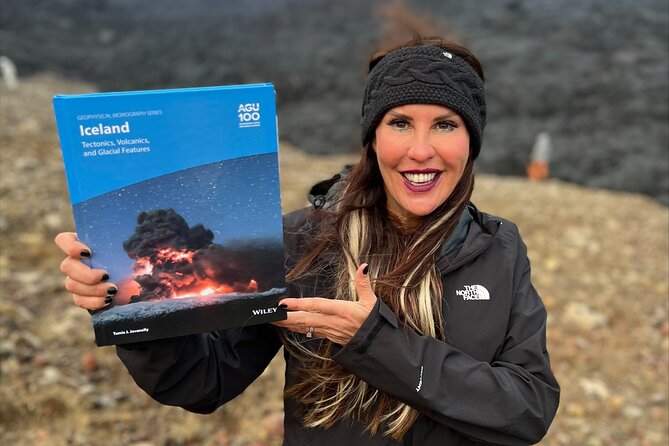
Day 2 has two moods. First, you get the afternoon to relax at the Blue Lagoon, which is listed as included. After that, you visit Fagradalsfjall volcano, described as recent volcanic activity.
This pairing is not random. Iceland’s geothermal systems are not just a scenic feature, they are part of the island’s engine. Blue Lagoon is the comfort stop. Then Fagradalsfjall is the wow-you-are-living-next-to-a-planetary-process stop.
What I like here is that the emotional arc works. You ease in with a soak, then you shift into active geology observation. If you have never thought about volcanism up close, this is an approachable way to start.
A consideration: if you are not into crowds or you prefer quiet on day trips, you might find popular sites like Blue Lagoon busier than you expect. Still, having it on day 2 gives you time to manage your energy before the longer driving and hiking days.
Same corner of Iceland, a different kind of day out:
- Reykjavik: Golden Circle Full-Day Tour with Kerid Crater
★ 4.8 · 24,485 reviews - Reykjavik Food Walk – Local Foodie Adventure in Iceland
★ 5.0 · 18,952 reviews - Iceland: Northern Lights Bus Tour from Reykjavik
★ 4.1 · 11,161 reviews - Reykjavík: South Coast Waterfalls, Black Sand & Glacier Tour
★ 4.8 · 11,030 reviews
Day 3 Hellisheidi geothermal and the Bridge Between Continents
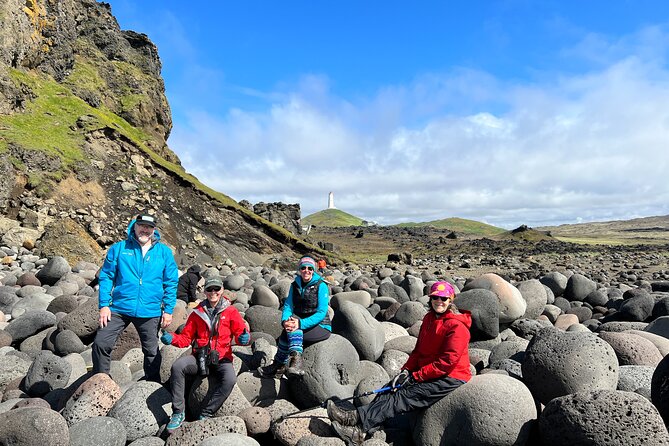
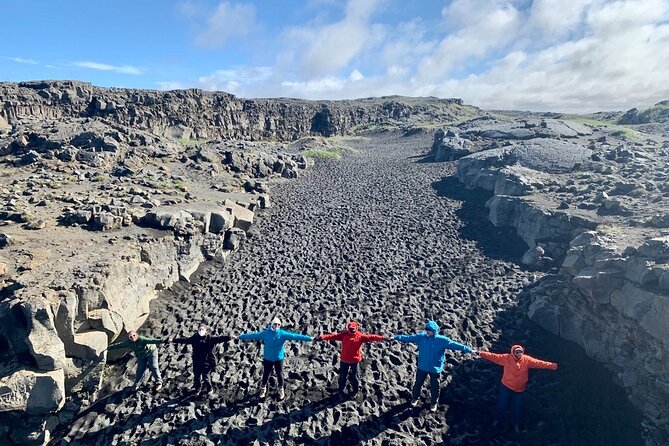
Day 3 is where the tour gets very “Iceland explains itself.” You visit Hellisheidi Power Plant in the afternoon to learn about geothermal energy and carbon capture projects. Then you stop at the Bridge Between Continents, where you see a visual separation between the North American and Eurasian plates.
That plate moment is the kind of thing that makes the whole island feel logical. Iceland sits on a boundary zone, so the land you are walking over is connected to the same tectonic forces that build mountain ranges elsewhere. The bridge concept is also a strong teaching tool, because you can literally point and connect it to the idea of plates moving over time.
The rest of the day includes Stampar, a scoria crater field, plus a look at one of Iceland’s largest and deepest lakes along a fissure. Even when the stops are short, the themes stay consistent: rifting creates pathways, volcanic activity builds landforms, and fissures guide where changes happen.
If you like your travel educational but still visually dramatic, this is one of the days that delivers.
Day 4 Thingvellir, Gullfoss, and Geysir: tectonics meets real-world history
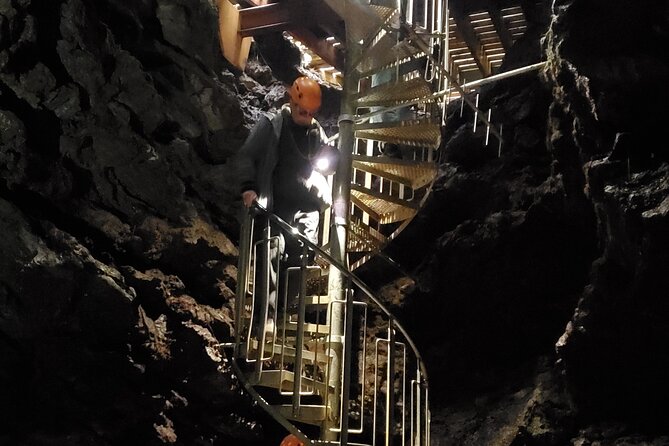
Day 4 is a three-stop highlight reel.
First is Thingvellir National Park, a major tectonic spot tied to how plates are spreading apart. You also learn how these processes affected Viking settlements. That is a key point for your brain: tectonics is not just academic. It shapes where people can live, travel, and build.
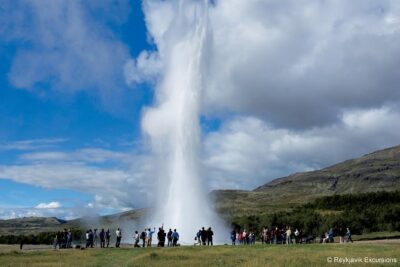
Then you go to Gullfoss Falls, described as one of Europe’s largest waterfalls. You also visit Geysir, where geothermal heat powers boiling hot spots and geothermal activity.
I love the balance here. You get plate tectonics and human interaction at Thingvellir, then you get big, loud natural forces at Gullfoss, then you finish with geothermal dynamics at Geysir. It is the full Iceland triangle: rocks moving, water falling, and heat rising.
A small practical note: these are famous stops, so expect crowds at peak times. The tour structure helps by keeping you with your guides, so you can spend your attention on what matters instead of trying to guess where to stand.
Day 5 Lava Centre and Hekla: the volcano story gets specific
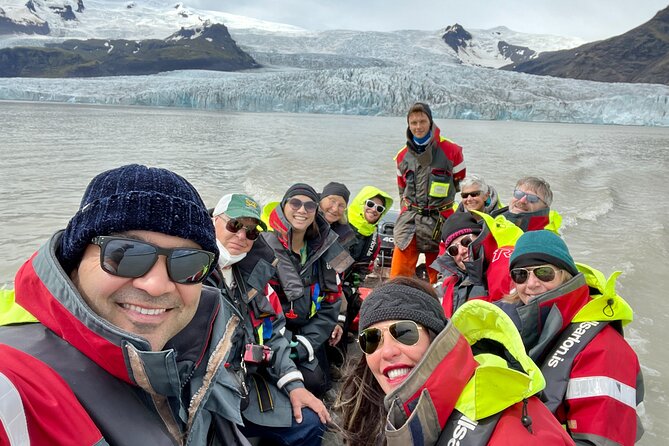
Day 5 has a museum start and a volcano follow-up.
You visit Lava Centre to learn about volcanology in an interactive way, and then you head to Volcano Hekla, described as active in recent time, learning about it while sitting in its shadows.
This day is valuable because it gives you language. You can only understand so much when you are staring at scenery. A volcanology-focused stop helps you identify what you are seeing, like how eruptions build different features and how geothermal and volcanic systems connect.
I also like that the tour does not only focus on one volcano. You get variety across the trip: fresh volcanic activity at Fagradalsfjall, geothermal systems at Hellisheidi, and a classic named volcano with a strong presence like Hekla. That variety is what makes the island feel like one connected system, not separate attractions.
Day 6 Skaftafell glacier-top hike, then wine and cheese
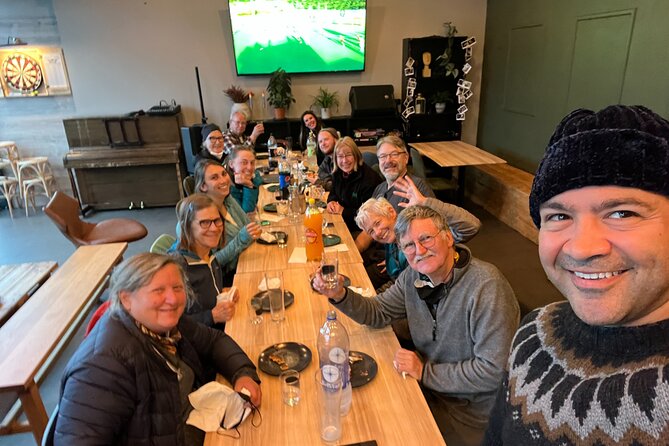
Day 6 brings the physical geology.
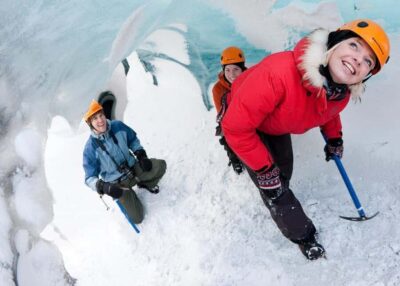
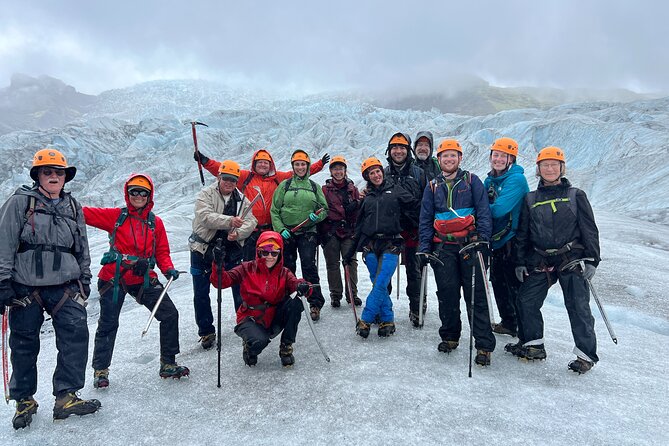
You go to Skaftafell National Park and hike on top of a glacier on a guided tour listed as about three hours. After your tour, the guides have a wine and cheese reception waiting for you.
That reception is more than a nice perk. It is a morale reset after a day that can leave your legs tired and your mind buzzing. And the fact that it is placed right after glacier-top time makes sense. You will remember the hike, and you will want something warm and social afterward.
A practical consideration: glacier footing can be challenging in cold wind and uneven surfaces, even when you are walking with a guide. If you tend to feel uncomfortable on slick ground, bring the right gear and be honest with yourself about pacing.
Day 7 Fjallsárlón, Diamond Beach, and Jokulsárlón: icebergs with explanations
Day 7 shifts from heat to ice in a big way.
You start at Fjallsárlón Iceberg Lagoon, where you take a look at the glacier from the water. Then you see Diamond Beach, where icebergs end up after drifting in. After that, you visit Jokulsárlón, with stunning icebergs, seal viewing, and good birding opportunities, plus food vendors on site.
Two hours at each stop listed here means you are not just rushing through. That matters because glacier and iceberg scenes are hard to take in when you are moving every few minutes. You need time to watch the patterns, see how pieces break off, and understand how water, ice, and coastlines interact.
I also like that the tour keeps the teaching linked to your point of view. Seeing ice from water changes your understanding compared with standing on land. It also makes the geology more vivid, not just technical.
One note for your planning: you may want to eat with your schedule in mind. Jokulsárlón includes food vendors, so you can grab something there, but you should still bring snacks if you like having options during long scenic stops.
Day 8 Dettifoss: columnar basalt made visible
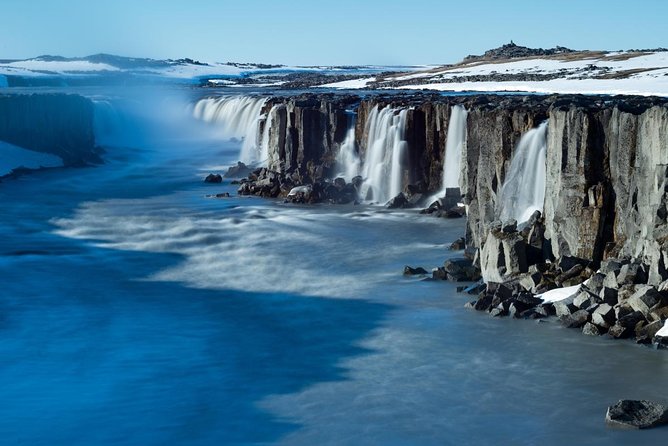
Day 8 is Dettifoss, described as a massive waterfall exposing columnar basalt.
Columnar basalt is one of those geology features that looks impossible until you see it. It is formed when lava cools and cracks in a way that creates those tight, repeating columns. Seeing it at a waterfall is especially dramatic because water strips away cover and exposes the rock structure.
This is a great day for photography, but even more, it is a great day for “slow looking.” Give yourself time to stand where you can see the rock texture clearly, then listen to how your guide connects the pattern to volcanic processes.
If you are the type who likes to understand what you are photographing, this stop does not feel like a checklist entry.
Day 9 Hverfjall, Skútustaðagígar, and Dimmuborgir: craters and debated origins
Day 9 is a crater and lava-formations day, and it has the best kind of suspense: even when you learn the science, some origins are still debated.
You start at Hverfjall, an explosion crater described as massive and impressive. Then you visit Skútustaðagígar to learn about pseudo craters and how they impacted Vikings. After that, you take a guided tour among Dimmuborgir lava formations, where the origin is noted as debated.
This day is especially good for people who like science that is not simplified into one neat answer. Iceland’s geology is complex, and different processes can create features that look similar. When a tour admits that some questions remain open, it helps you understand how geology works as a real field.
Practical consideration: crater areas can mean uneven walking and a lot of wind exposure. Dress for weather, not for optimism.
Day 10 Akureyri free day: real downtime with real options
Day 10 is a free day in Akureyri, a charming town where you can rest, shop, go whale watching, birding, or more.
I like having one true reset day. The previous days are packed, and the geology rhythm can feel intense. A free day lets you match the trip to your own energy level, whether you want calmer sightseeing or a different kind of Iceland adventure.
Since the tour does not specify exact activities here, you should treat this as your planning sandbox. If you prefer quiet, choose a slow walk and café time. If you want wildlife, there are options like whale watching and birding listed.
Day 11 Stykkishólmur Water Museum installation: glacier memory in art form
Day 11 takes you to Stykkishólmur for an art installation at the Water Museum that pays respect to glaciers, past and present.
This stop works because it changes how you process what you learned. After days of rocks and ice, you get a more reflective experience that connects glacier change to something human and cultural.
I also like that it breaks the driving and geology pattern without dropping the theme. You are still learning. You just learn through observation and meaning rather than only through rock formation explanations.
If you are the type who gets tired of constant lecturing, this kind of stop is a relief.
Day 12 Snæfellsnes, Vatnshellir lava cave, and Snæfellsjökull
Day 12 is a west-Iceland finale built around a mix of views and underground geology.
You visit Snæfellsnes, where clear skies can bring views of this stratovolcano. Then you explore Vatnshellir Lava Cave, learning about lava tube formation. Finally, you visit Snæfellsjökull National Park and the glacier.
This is a strong combination. Surface geology gives you shape and weathering. A lava tube gives you structure you cannot see from outside without going in. And Snæfellsjökull puts it together with a big national-park setting and glacier focus.
A key consideration is weather. The plan says clear skies will bring views of the stratovolcano, so if clouds roll in, you will still see the park and glacier environment, but you may not get the same view potential.
Day 13 back to Reykjavik: last look, last photos, then off
Day 13 is Reykjavik again for one final stretch before departure.
This ending is practical. It helps you close the loop and not end your trip stuck far from flights. You also get time to revisit favorite streets or simply shop for last-minute Iceland gifts, if that is your thing.
After 13 days of geology, Reykjavik feels different. You might look at buildings, roads, and the way the city sits in its ground like you are spotting clues in a mystery novel.
Price and included excursion fees: what $9,200 really buys you
The listed price is $9,200 per person for this 13-day guided adventure geology tour.
That number is high, no sugarcoating. But value comes from three places that are spelled out in the tour details. First, the group is limited to 16 people, so you are not fighting for guide attention. Second, you get Dr. Jovanelly and Joe Cook, with a serious field-based teaching approach using her book as a reference. Third, many excursion fees are included in your price, including admissions called out like Blue Lagoon and specific included experiences throughout the route.
If you are comparing this to a cheaper Iceland tour, your big question should be: what is included versus what is extra? Here, the plan explicitly includes excursion fees, and the itinerary includes active, guided stops, not just a bus and a handful of photo moments.
How the schedule and small group affect your comfort
The tour starts at 7:00 am from the meeting point at Gistiheimilið, SunnaÞórsgata 26, 101 Reykjavík, and ends back at the meeting point.
That early start shapes the whole trip. You will want to treat evenings as recovery time, because Iceland days add up fast. With a small group, you are also more likely to experience a smoother flow, less waiting, and more time with the guides during each stop.
The format also matters: you get a mobile ticket, which is convenient for day-to-day changes and keeping track of what you need. Service animals are allowed, and the tour says most travelers can participate, which is reassuring if you are not an athlete, but it still does not remove the reality that glacier-top walking and long outdoor stops require common sense preparation.
Who should book this tour, and who should skip it
You should strongly consider this tour if you want Iceland with meaning. If volcanoes, plate tectonics, geothermal systems, and glaciers are your interests, you will love the way the tour connects explanations to what you see, including some very specific sites like the Bridge Between Continents and the columnar basalt exposure at Dettifoss.
You should also consider it if you do not have a geology background. The tour is designed to be approachable, and Dr. Jovanelly’s teaching style is built for people learning the basics while surrounded by the evidence.
Skip it if you want a mostly relaxing sightseeing vacation. This is active, it has a glacier hike, and it moves. Also, it depends on good weather, and Iceland weather is not something you control.
Should you book this Iceland Geology Adventure tour?
If your dream Iceland is more than photos, book it. This is one of the rare tours where you get serious expertise without requiring you to already be fluent in geology. The small group, the guided field-guide approach led by Dr. Jovanelly, and the included excursion fees make the $9,200 feel less like a premium tax and more like you are buying time, teaching, and access.
If you are sensitive to cold weather, uncertain on glacier footing, or you want a low-effort itinerary, you might be happier with a more standard tour and save this one for a future trip when you are ready to move.
FAQ
How long is the 13-Day Iceland Geology Adventure guided tour?
It runs for 13 days approximately.
Where does the tour start in Reykjavik, and what time does it begin?
The meeting point is Gistiheimilið SunnaÞórsgata 26, 101 Reykjavík, Iceland, and the start time is 7:00 am. The activity ends back at the meeting point.
Do I need a geology background to join?
No. A background in geology is not necessary to participate.
Are entrance tickets and excursion fees included?
Many admissions are listed as included throughout the trip, and the tour states that all excursion fees are included in the price.
What is the group size limit?
The maximum group size is 16 travelers.
What happens if the tour is canceled due to weather?
The experience requires good weather. If it is canceled due to poor weather, you will be offered a different date or a full refund.
Is the tour refundable if I cancel?
No. This experience is non-refundable and cannot be changed for any reason, and the amount you paid will not be refunded if you cancel or ask for an amendment.
Recently reviewed around Reykjavik
- Winter South Coast Day Tour by Minibus from Reykjavik★ 5.0 · 109 reviews
- Luxury Private Transfer from Reykjavik to Keflavik Airport★ 5.0 · 9 reviews
- Day Trip to Snæfellsness Peninsula from Reykjavik★ 5.0 · 7 reviews
- Whale Watching and Golden Circle Tour from Reykjavik★ 4.0 · 28 reviews
- Whale Watching and Northern Lights Half-Day Combo Tour★ 4.5 · 43 reviews
- Whale Wonders Morning Expedition from Reykjavík★ 4.0 · 10 reviews
- Whale Watching & ATV Adventure from Reykjavik★ 4.0 · 6 reviews
- Whale Watching and Marine Life Tour in Reykjavik★ 4.5 · 55 reviews
Guided, compared.
Jokulsarlon Glacier Lagoon Full-Day Guided Trip
Read our review →
The Golden Circle Guided Bus Tour from Reykjavik
Read our review →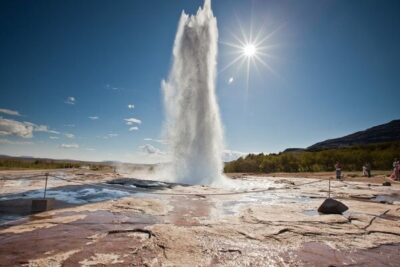

Northern Lights Guided Bus Tour from Reykjavik
Read our review →